Zambia child Growth Calculator
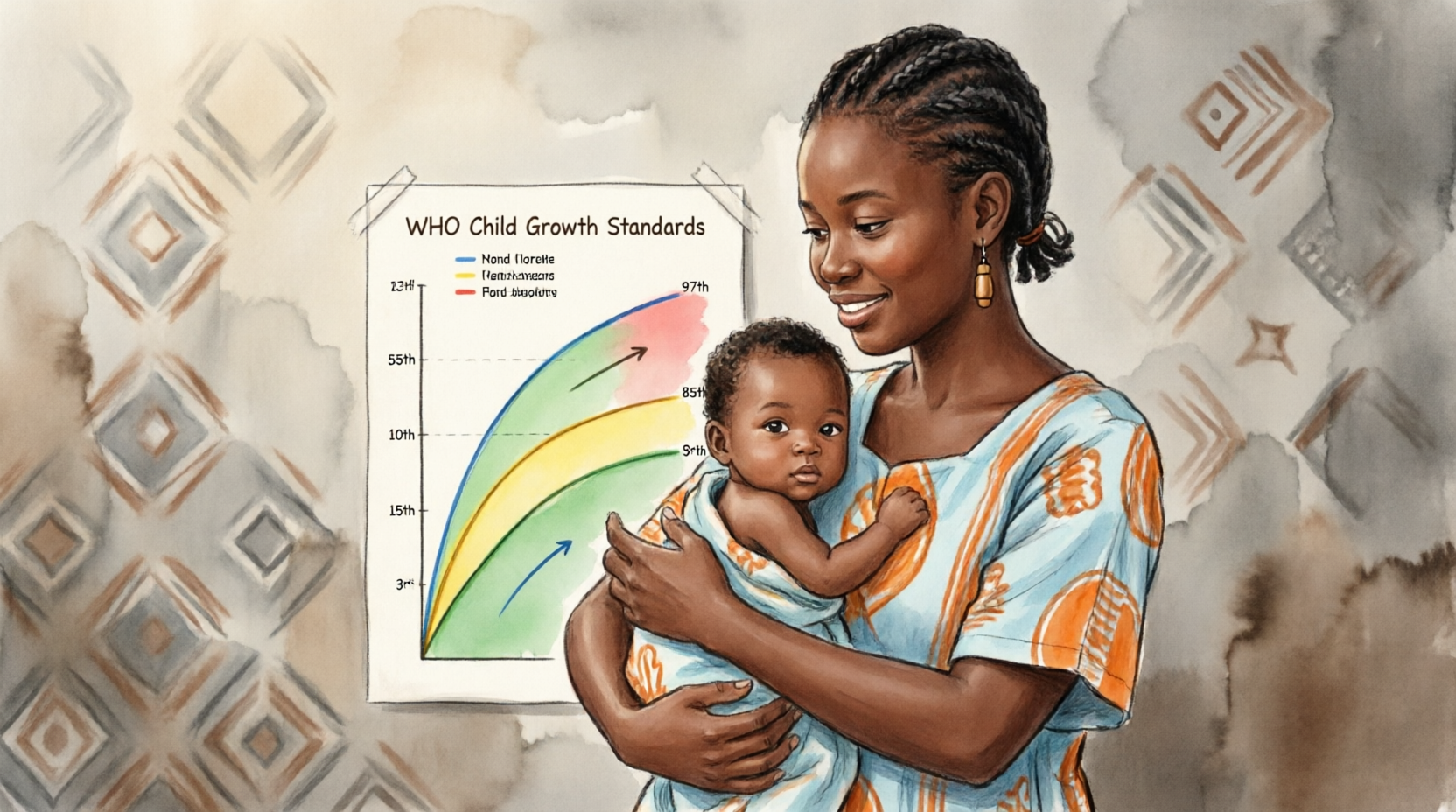
Monitor your child's growth using the World Health Organization (WHO) growth standards, which are the official reference used by the Zambian Ministry of Health. This calculator assesses weight-for-age, height-for-age, and BMI-for-age to identify if a child is underweight, stunted, wasted, or growing healthily.
Child Growth Calculator
Enter your child's details below. Measurements should be taken without shoes and in light clothing.
| Child's Sex | Age (Months) 0–228 months (0–19 years) | Weight (kg) |
| Height/Length (cm) Under 2 yrs: lying down length | ||
- Weight-for-Age: Identifies underweight children (combined effect of stunting and wasting).
- Height-for-Age: Identifies stunting (chronic malnutrition or long-term health issues).
- Weight-for-Height / BMI: Identifies wasting (acute malnutrition) or overweight.
*This tool uses WHO growth standards. If your child shows signs of moderate or severe malnutrition, please visit your nearest clinic or community health worker immediately.
Average weight and height ranges for Zambian children based on WHO standards.
Boys: Weight-for-Age (kg)
| Age | Severe Underweight (<-3 SD) | Underweight (<-2 SD) | Median (Normal) | Overweight (>+2 SD) |
|---|---|---|---|---|
| Birth | < 2.1 | < 2.5 | 3.3 | > 4.4 |
| 6 months | < 5.7 | < 6.4 | 7.9 | > 9.8 |
| 12 months | < 7.2 | < 8.0 | 9.6 | > 11.5 |
| 24 months | < 9.1 | < 10.1 | 12.2 | > 14.8 |
| 5 years | < 13.1 | < 14.5 | 18.3 | > 22.4 |
| 10 years | < 21.3 | < 23.9 | 31.2 | > 40.2 |
Girls: Weight-for-Age (kg)
| Age | Severe Underweight (<-3 SD) | Underweight (<-2 SD) | Median (Normal) | Overweight (>+2 SD) |
|---|---|---|---|---|
| Birth | < 2.0 | < 2.4 | 3.2 | > 4.2 |
| 6 months | < 5.2 | < 5.8 | 7.3 | > 9.0 |
| 12 months | < 6.7 | < 7.5 | 8.9 | > 10.8 |
| 24 months | < 8.6 | < 9.5 | 11.5 | > 14.0 |
| 5 years | < 12.4 | < 13.7 | 17.7 | > 21.8 |
| 10 years | < 21.5 | < 24.1 | 31.9 | > 41.5 |
According to the Zambia Demographic and Health Survey (ZDHS), approximately 35% of children under 5 in Zambia are stunted. Stunting occurs when a child doesn't receive adequate nutrition in the first 1,000 days of life (from conception to age 2). It affects brain development, school performance, and future earning potential.
Feeding by Age
- 0–6 months: Exclusive breastfeeding. No water, porridge, or other foods. Breast milk provides everything the baby needs.
- 6–12 months: Continue breastfeeding + introduce soft, mashed family foods 2–3 times per day. Good first foods: mashed sweet potato, banana, pap, soft nshima with relish.
- 12–24 months: Breastfeeding continues + 3–4 meals per day plus snacks. Include protein daily (eggs, beans, groundnuts, small fish like kapenta).
- 2–5 years: 4 balanced meals per day. Include foods from all 4 food groups: staples (maize, rice), protein (beans, meat, eggs), fruits/vegetables, and dairy/fats.
Top Zambian Foods for Child Growth
| Food Group | Local Foods | Why It Matters |
|---|---|---|
| Protein | Eggs, kapenta, beans, groundnuts, chicken, ifisashi (groundnut relish) | Builds muscles, prevents stunting |
| Iron | Dark leafy vegetables (impwa, bonongwe), liver, red meat, fortified mealie meal | Prevents anaemia, boosts energy and brain development |
| Vitamin A | Sweet potato (orange-fleshed), mangoes, pawpaw, pumpkin, eggs | Protects against infections and blindness |
| Calcium | Milk, yoghurt, small fish eaten with bones, moringa leaves | Strong bones and teeth |
| Energy | Nshima, rice, potatoes, cassava, cooking oil | Fuels growth and activity |
If your child is underweight or stunted, add these to their diet daily:
- Eggs: 1 egg per day provides high-quality protein and choline for brain development.
- Moringa (Chibwabwa): Powdered moringa leaves sprinkled on porridge are packed with iron, calcium, and vitamins.
- Groundnut powder: Mix roasted, ground groundnuts into porridge or relish — cheap and calorie-dense.
- Kapenta: Small dried fish are rich in protein, calcium, and iron. Crush and add to relish.
When to Seek Help Immediately
Take your child to the clinic if you notice any of these danger signs:
- Visible severe wasting (very thin arms and legs)
- Swelling in both feet (a sign of kwashiorkor)
- Child is too weak to drink or breastfeed
- Diarrhea lasting more than 3 days
- Not gaining weight over 2–3 months
How often should I check my child's growth?
Children should be weighed and measured at least once a month during the first year, every 2 months from 1–2 years, and every 3 months from 2–5 years. In Zambia, this is done free of charge at your local clinic during "Child Wellness Days" or when you attend immunization visits.
What is the "1,000 Days Window"?
The 1,000 Days Window refers to the period from conception to a child's 2nd birthday. This is the most critical time for nutrition — malnutrition during this period causes irreversible stunting. After age 2, catch-up growth is very difficult. Focus intensely on nutrition during pregnancy, breastfeeding, and the first 2 years.
Can a stunted child recover?
Mild to moderate stunting can sometimes be partially reversed with intensive nutritional support, especially if caught before age 2. Severe stunting after age 3 is largely permanent. This is why early detection through regular clinic visits is so important.
What is the difference between wasting and stunting?
Stunting (low height-for-age) is caused by long-term chronic malnutrition or repeated infections. Wasting (low weight-for-height) is caused by recent, acute food shortage or severe illness like diarrhea. A child can be both stunted and wasted at the same time.
My child looks thin but is active — should I worry?
Active, energetic children are usually healthy. However, "looking thin" can sometimes hide mild malnutrition. The only way to know for sure is to measure weight and height and compare them to the WHO standards using this calculator. If your child's measurements fall below the -2 SD line, visit your clinic even if they seem active.
Where can I get help in Zambia?
Free child growth monitoring is available at:
- All government clinics and hospitals (under the Ministry of Health)
- Community Health Workers (CHWs) in your ward
- Urban clinics run by NGOs like World Vision, Save the Children, and UNICEF-supported programs
- Child Wellness Days — usually held monthly at local clinics
Understanding Zambia's Child Nutrition Challenge
Zambia faces a "triple burden" of child malnutrition:
- Stunting (chronic malnutrition) affects ~35% of children under 5, with the highest rates in Northern, Luapula, and Western Provinces.
- Wasting (acute malnutrition) affects ~3–5% of children and spikes during the "hungry season" (December–February) before harvests.
- Overweight is rising in urban areas like Lusaka and the Copperbelt, affecting ~4% of children under 5 due to overfeeding with sugary foods and soft drinks.
The Zambian government, through the Scaling Up Nutrition (SUN) movement and the First 1,000 Most Critical Days Programme, is working to reduce stunting. But parents and caregivers play the most important role — by ensuring children receive diverse, nutrient-rich foods from local sources.
The Zambian government provides free therapeutic feeding (Ready-to-Use Therapeutic Food like Plumpy'Nut) for severely malnourished children at all public health facilities. If your child is diagnosed with severe acute malnutrition (SAM), treatment is free and can save their life.
Disclaimer: This calculator uses WHO growth standards for screening purposes and is not a substitute for professional medical advice. If your child's measurements fall outside the normal range, please consult a pediatrician, clinic nurse, or community health worker for proper assessment and care. Growth patterns should always be evaluated by a trained health professional in the context of the child's overall health.