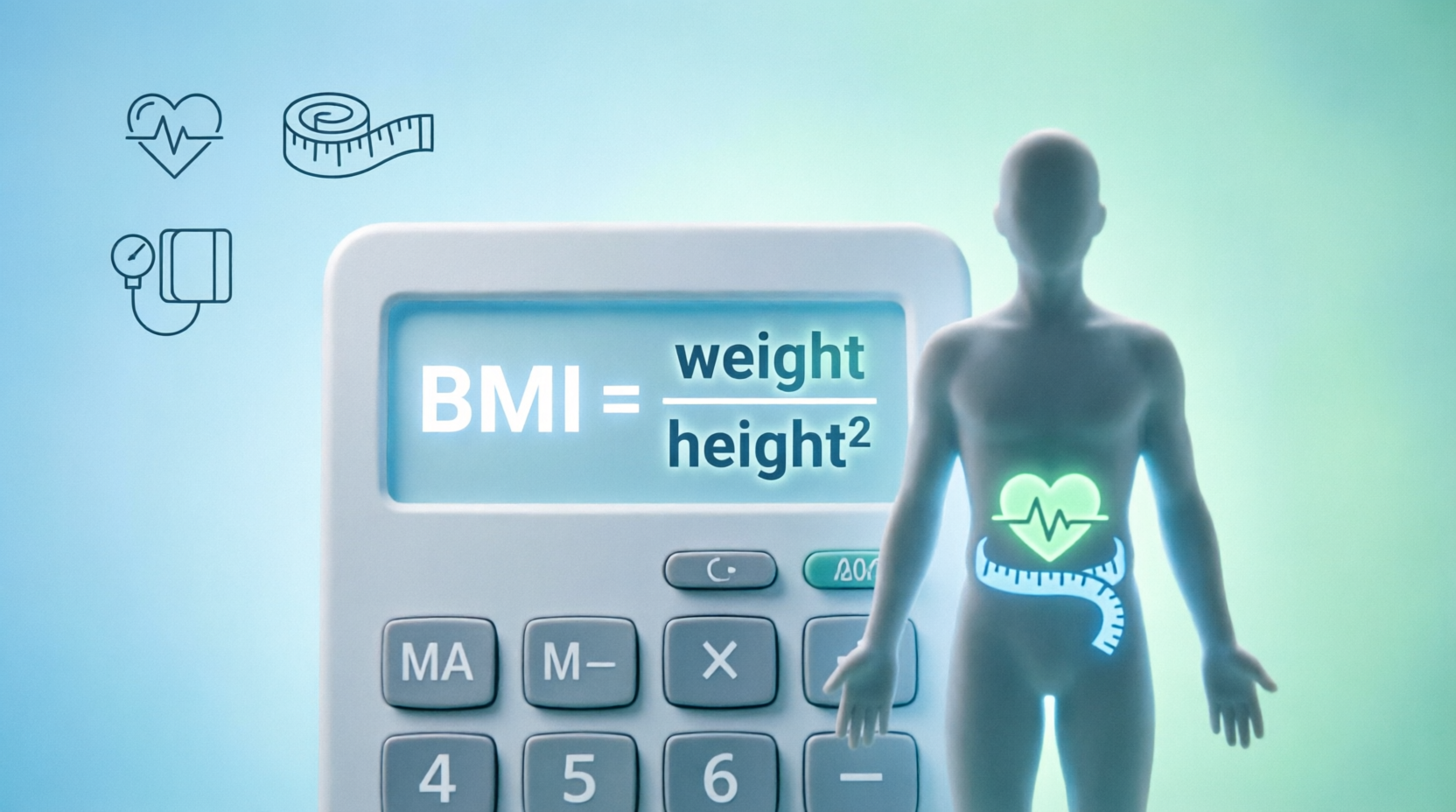
BMI calculator
The BMI Calculator helps you determine your Body Mass Index, a measure of body fat based on height and weight. BMI is widely used by healthcare professionals to assess health risk and screen for potential weight-related health conditions. Enter your height and weight below to calculate your BMI, then read the comprehensive guide to understand what your BMI means, its limitations, and how it relates to health.
BMI Calculator
Enter your height in centimeters and weight in kilograms to calculate your BMI.
| Height (cm) | Weight (kg) |
Enter your height in inches and weight in pounds to calculate your BMI.
| Height (inches) | Weight (lbs) |
BMI Categories
What Is BMI?
Body Mass Index (BMI) is a simple numerical measure of body fatness based on a person’s height and weight. It is calculated by dividing weight in kilograms by the square of height in meters. BMI is widely used by healthcare providers, researchers, and public health organizations as a screening tool to identify potential weight-related health risks. Despite its widespread use, it is important to understand that BMI is a rough estimate and has limitations as a measure of individual health.
BMI Formula and Calculation
BMI is calculated using the same formula worldwide. The metric formula is weight in kilograms divided by height in meters squared. The imperial formula uses weight in pounds, height in inches, and a conversion factor.
BMI Categories and Health Risk
The World Health Organization (WHO) and most health authorities classify BMI into four main categories. Each category is associated with different levels of health risk.
| BMI Range | Category | Health Risk |
|---|---|---|
| Below 18.5 | Underweight | Risk of malnutrition, weak immunity, low bone density |
| 18.5–24.9 | Normal Weight | Lowest health risk; healthy weight range |
| 25.0–29.9 | Overweight | Increased risk of heart disease, high blood pressure, diabetes |
| 30.0–34.9 | Class I Obese | Significant increased health risks |
| 35.0–39.9 | Class II Obese | Very high health risks |
| 40.0 and above | Class III Obese | Extremely high health risks |
Worked Examples
A person is 175 cm tall and weighs 65 kg.
BMI = 65 ÷ (1.75)² = 65 ÷ 3.0625 = 21.2
Category: Normal Weight (healthy range)
Example 2 — Adult Who Is Overweight
A person is 180 cm tall and weighs 85 kg.
BMI = 85 ÷ (1.80)² = 85 ÷ 3.24 = 26.2
Category: Overweight (increased health risk)
Example 3 — Imperial Units
A person is 5’10” (70 inches) tall and weighs 200 lbs.
BMI = [200 ÷ (70)²] × 703 = [200 ÷ 4900] × 703 = 28.7
Category: Overweight
Limitations of BMI
While BMI is useful as a screening tool, it has significant limitations. Most importantly, BMI does not distinguish between muscle and fat. Muscle tissue is denser than fat tissue, so a very muscular person such as an athlete may have a high BMI even though they have low body fat and are in excellent health. Conversely, someone with low muscle mass and high body fat may have a BMI in the normal range despite having significant health risks.
BMI also does not account for age, sex, ethnicity, or body composition differences. Older adults naturally lose muscle mass, which can lower BMI even if body fat increases. Pregnancy significantly alters BMI and weight, so pregnant women should not use standard BMI categories. Different ethnic groups have different patterns of body fat distribution and different health risks at the same BMI, yet current BMI categories are based primarily on data from European populations.
BMI and Age Groups
BMI is calculated the same way for all adults, but the interpretation can vary slightly by age. Children and teenagers have age-specific BMI growth charts because their body composition changes as they grow. For adults, BMI categories are the same regardless of age, though some research suggests that slightly higher BMI levels may be acceptable in older adults.
Factors That Influence BMI
- Diet and nutrition: Calorie intake relative to expenditure is the primary driver of weight change and BMI.
- Physical activity: Regular exercise burns calories and can improve body composition, muscle mass, and health independent of BMI.
- Metabolism: Age, gender, genetics, and hormonal factors influence metabolic rate and how efficiently the body uses energy.
- Sleep: Poor sleep is associated with weight gain and increased BMI, likely through effects on hunger hormones and metabolism.
- Stress: Chronic stress can lead to weight gain through hormonal effects and emotional eating patterns.
- Medical conditions: Thyroid disorders, PCOS, depression, and other conditions can affect weight and BMI.
- Medications: Some medications, including certain antidepressants and corticosteroids, can cause weight gain.
- Genetics: Family history and genetic factors influence body weight and BMI patterns, though they are not destiny.
Health Risks Associated with High BMI
A high BMI is associated with increased risk of several chronic health conditions. These include Type 2 Diabetes, where excess weight increases insulin resistance; Heart Disease and Stroke, as overweight people often have high blood pressure and cholesterol; Certain Cancers, including breast, colon, and endometrial cancers; and Osteoarthritis, because excess weight puts stress on joints. Additionally, sleep apnea (breathing interruptions during sleep) is more common in people with high BMI.
Health Risks Associated with Low BMI
A very low BMI carries health risks as well. Underweight individuals may have nutritional deficiencies, weak immunity, low bone density (osteoporosis), reduced muscle mass, and fertility problems. Extremely low BMI can indicate eating disorders such as anorexia nervosa or other serious health conditions. If your BMI is below 18.5, consult a healthcare provider to ensure adequate nutrition and health.
Improving Your Health at Any BMI
- Eat a balanced diet: Focus on whole grains, vegetables, fruits, lean proteins, and healthy fats. Reduce processed foods, added sugars, and excess salt.
- Stay physically active: Aim for at least 150 minutes of moderate aerobic activity per week, plus muscle-strengthening activities twice weekly.
- Maintain a healthy weight: If your BMI is outside the normal range, aim for gradual weight change through diet and exercise, not rapid weight loss.
- Get adequate sleep: Aim for 7–9 hours per night to support metabolic health and weight management.
- Manage stress: Practice stress-reduction techniques such as meditation, yoga, or regular exercise.
- Monitor health metrics: Track blood pressure, cholesterol, blood sugar, and fitness level regularly.
- Consult professionals: Work with a doctor, registered dietitian, or certified fitness professional for personalized guidance.
Frequently Asked Questions
What is a healthy BMI range?
A BMI between 18.5 and 24.9 is considered a healthy weight range for adults. However, BMI is just one indicator of health and should not be the only factor in assessing overall wellness.
Does BMI account for muscle?
No. BMI does not distinguish between muscle and fat. Athletes, bodybuilders, and very fit individuals may have high BMI despite low body fat. For a complete picture of body composition, additional measurements such as body fat percentage are needed.
Is BMI accurate for children?
Children have age-specific BMI charts that account for growth and development. Standard adult BMI categories do not apply to children under 18. Consult a pediatrician for appropriate weight assessment of children.
Can BMI change with age?
BMI itself doesn’t change with age unless weight or height changes. However, natural changes with aging—such as loss of muscle mass and changes in metabolism—can affect weight. It’s important to maintain healthy habits at all ages.
Should pregnant women use BMI?
Pregnancy significantly alters weight and BMI. Pre-pregnancy BMI is used to determine appropriate weight gain during pregnancy. Standard BMI categories should not be applied during pregnancy. Consult an obstetrician for guidance on healthy pregnancy weight.
What if my BMI is high but I feel healthy?
Feeling healthy is important, but a high BMI indicates increased health risk even if you feel fine. Many serious conditions develop gradually without obvious symptoms. Regular health screenings and lifestyle improvements can reduce risks.
How quickly should I try to change my BMI?
Healthy weight change is gradual, typically 0.5–1 kg (1–2 lbs) per week. Rapid weight loss is often unsustainable and can be unhealthy. Consult a healthcare provider before starting any weight loss program.
This BMI calculator is provided for informational purposes only and does not constitute medical advice. BMI is a screening tool and should not be used as a substitute for professional medical evaluation. Always consult with a qualified healthcare provider for personalized health assessment and guidance.