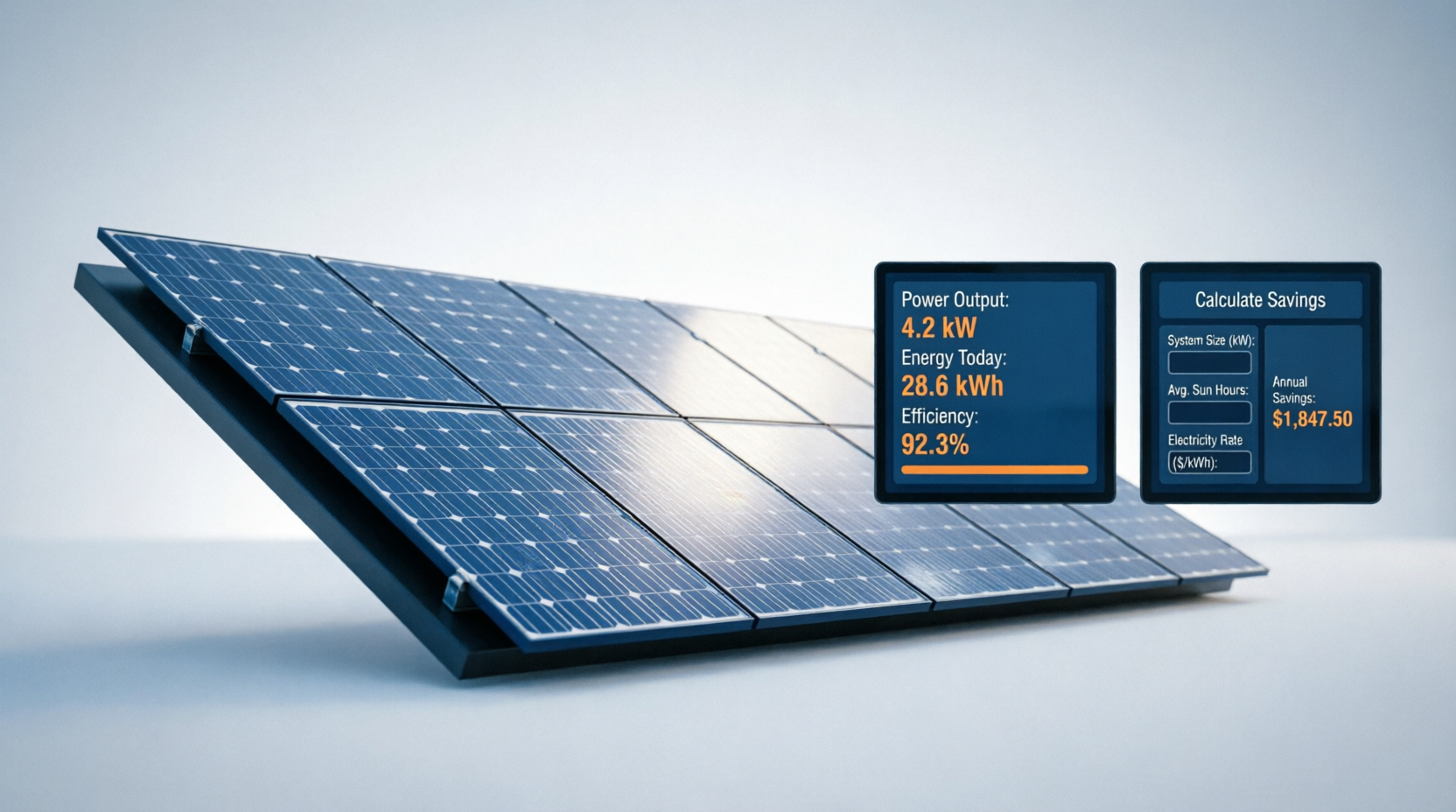
Solar system calculator
Planning a solar installation in Zambia? The Solar System & Unit Calculator helps you estimate your daily energy consumption, required solar panel capacity, battery storage size, and inverter size. Whether you are backing up against ZESCO load-shedding or going completely off-grid, this tool provides a reliable baseline for your solar investment in Zambian Kwacha (ZMW).
Solar System Calculator
Add your appliances to calculate your total daily energy consumption in kilowatt-hours (kWh).
| Appliance | Qty | Watts (W) | Hours/Day | Action |
|---|
Already know your daily energy usage? Enter it directly to size your solar system.
| Daily Energy Usage (kWh) | Peak Load (Watts) |
| Peak Sun Hours (Zambia Avg: 5.5) | Days of Autonomy (Backup) |
Get an estimated cost breakdown for your required solar system in Zambian Kwacha (ZMW).
Understanding Solar Sizing in Zambia
Sizing a solar system correctly is critical. Undersizing leads to blackouts during load-shedding, while oversizing wastes money. In Zambia, the average Peak Sun Hours (PSH) is about 5.5 to 6 hours per day, which is excellent for solar energy generation.
Key Components of a Solar System
- Solar Panels: Convert sunlight into DC electricity. A standard modern panel is 450W to 550W.
- Inverter: Converts DC power from panels/batteries into AC power for your home appliances. A “Hybrid Inverter” is recommended in Zambia to blend solar, battery, and ZESCO grid power seamlessly.
- Battery Bank: Stores excess solar energy for use at night or during load-shedding. Lithium Iron Phosphate (LiFePO4) batteries are highly recommended due to their 10+ year lifespan and 80-90% Depth of Discharge (DoD), compared to traditional Lead-Acid batteries.
- Charge Controller: Regulates the voltage and current from the solar panels to the batteries (often built into modern hybrid inverters).
How the Calculation Works
2. Required Solar Array (kW) = (Daily kWh × 1.3 safety factor) ÷ Peak Sun Hours
3. Battery Capacity (kWh) = (Daily kWh × Days of Autonomy) ÷ Battery Depth of Discharge (0.8 for Lithium)
4. Inverter Size (kW) = Total Peak Load (W) × 1.25 safety margin
Worked Example
• Solar Array = (5 kWh × 1.3) ÷ 5.5 hours = 1.18 kW (Round up to 1.5 kW or ~3 x 450W panels)
• Battery (Lithium, 1.5 days autonomy) = (5 × 1.5) ÷ 0.8 = 9.375 kWh (Round up to 10 kWh)
• Inverter = 1,500W × 1.25 = 1.875 kW (Round up to 3 kW or 5 kW hybrid inverter)
Tips for Solar Installation in Zambia
- Start with an Energy Audit: Use the “By Appliance” tab to identify energy hogs. Replacing old incandescent bulbs with LEDs or using an inverter fridge can drastically reduce your required solar system size and cost.
- Phase Your Installation: If budget is tight, install the inverter and panels first, and add batteries later. You can use the system to offset daytime ZESCO usage and only rely on batteries for critical loads at night.
- Use Certified Installers: Ensure your installer is registered with the Energy Regulation Board (ERB) to ensure safety, proper wiring, and valid warranties.
- Account for Dust: Zambia can be dusty, especially in the dry season. Factor in regular panel cleaning to maintain optimal efficiency.
Frequently Asked Questions
How much does a solar system cost in Zambia?
A basic 3kW hybrid system with 5kWh of lithium battery storage typically costs between ZMW 45,000 and ZMW 75,000 fully installed. Larger 5kW–10kW systems for bigger homes or small businesses can range from ZMW 100,000 to ZMW 250,000+ depending on battery capacity and component brands.
Can I run my entire house on solar?
Yes, but it depends on your budget and energy usage. High-draw appliances like electric geysers (water heaters), large air conditioners, and electric stoves require significantly larger (and more expensive) solar arrays and battery banks. Consider using gas for cooking and heating water to keep solar costs manageable.
Lithium vs. Lead-Acid batteries: Which is better?
Lithium (LiFePO4) is highly recommended. While the upfront cost is higher, lithium batteries last 10+ years, can be discharged up to 80-90% without damage, and require zero maintenance. Lead-acid batteries are cheaper upfront but typically last only 2-3 years and should only be discharged to 50%.
Do I need permission from ZESCO or ERB to install solar?
For off-grid or hybrid backup systems, you generally do not need complex permissions. However, if you plan to feed excess power back into the ZESCO grid (net metering), you must apply for approval and use a certified installer to ensure compliance with ERB and ZESCO regulations.
This Solar System Calculator is provided for informational and planning purposes only. Actual system requirements and costs vary based on specific appliance models, site conditions, and current market prices. Always consult with a certified solar energy professional for a formal site assessment and quotation.