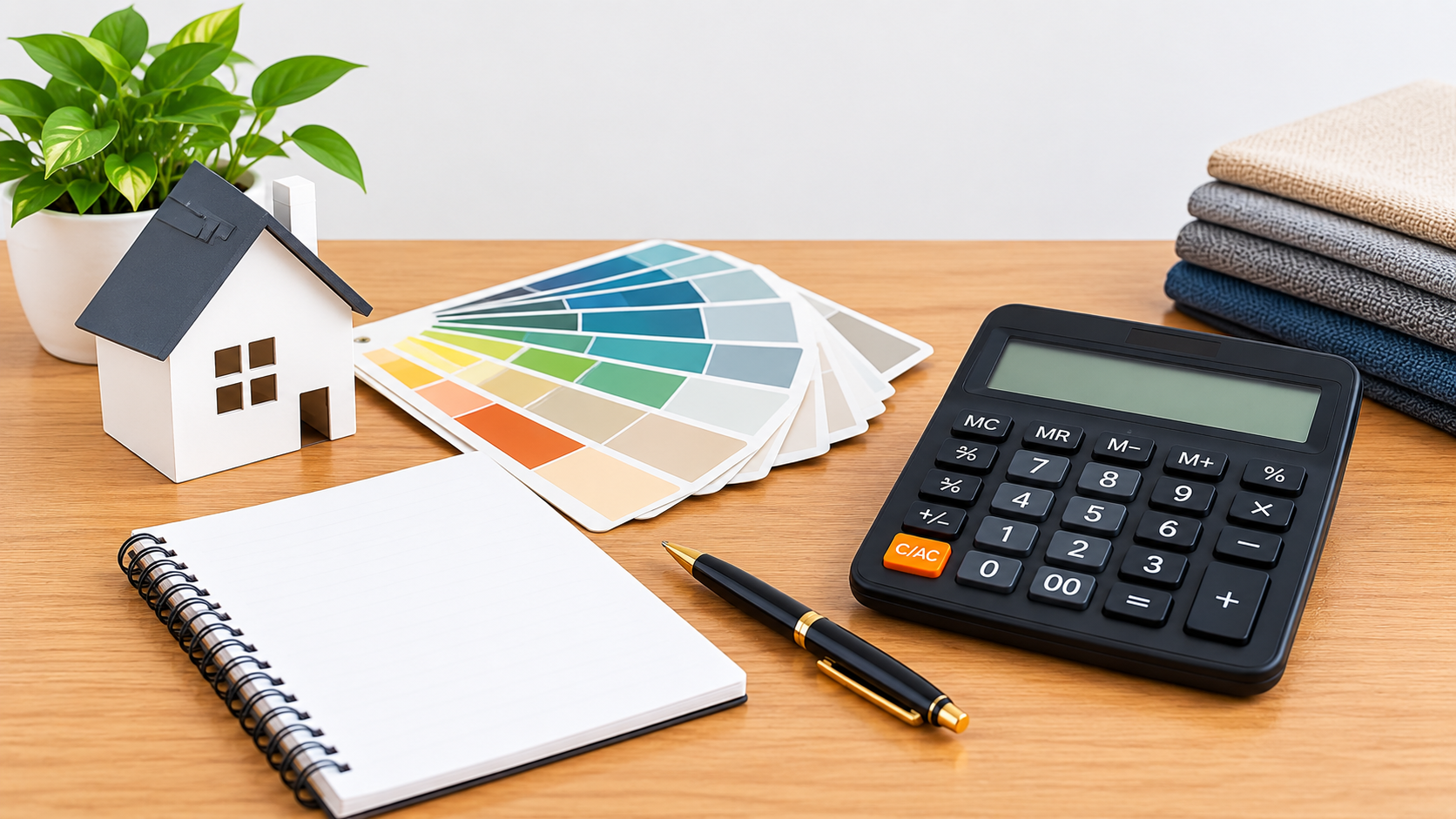
Interior Design Budget calculator
Planning a home or office renovation in Zambia? The Interior Design Budget Calculator helps you estimate the total cost of your project, including materials (paint, flooring, lighting), furniture, and professional labor. Use this tool to avoid overspending and ensure your renovation stays on track financially.
Interior Design Budget Calculator
Get a fast estimate for a single room based on its size and your chosen finish quality.
| Room Size (m²) | Finish Quality |
| Include Labor? (%) | Currency |
Build a custom budget by adding specific items, quantities, and unit prices.
| Item / Category | Quantity | Unit Price (ZMW) | Action |
|---|---|---|---|
| Total Estimated Cost: | ZMW 0.00 | ||
1. The 50/30/20 Rule for Renovations
A good rule of thumb for interior design budgets is to allocate 50% to materials (paint, tiles, furniture), 30% to labor (painters, tilers, carpenters), and 20% as a contingency fund for unexpected price increases or design changes.
2. Source Locally When Possible
Imported furniture and finishes attract customs duties and shipping fees. Sourcing materials from local Zambian suppliers (e.g., local timber yards, local paint manufacturers like Plascon or Dulux, and local artisans) can significantly reduce your overall budget.
3. Don’t Skimp on Preparation
4. Get Multiple Quotes
Always get at least three detailed quotes from different contractors or suppliers. Ensure the quotes are itemized so you can compare “apples to apples” and spot any hidden fees.
Understanding Interior Design Costs in Zambia
Renovating or designing a space in Zambia involves several cost variables. The final price depends heavily on the size of the space, the quality of materials chosen (local vs. imported), and whether you hire professional interior designers or manage the project yourself (DIY).
Common Cost Drivers
- Paint & Wall Finishes: Includes the cost of paint, primer, skimming compound, and the labor for wall preparation and painting.
- Flooring: Options range from affordable ceramic tiles to premium engineered wood or polished concrete. Don’t forget to factor in the cost of adhesives and grout.
- Lighting: A mix of ambient, task, and accent lighting. LED fixtures have a higher upfront cost but save significantly on ZESCO bills over time.
- Furniture & Decor: Custom-built cabinetry is often more expensive than ready-made options but maximizes space utilization in smaller Zambian apartments or offices.
- Labor & Professional Fees: Skilled artisans (fundis) charge daily or per-project rates. Interior designers may charge a flat fee or a percentage (10-20%) of the total project cost.
Frequently Asked Questions
How much does it cost to paint a room in Zambia?
For a standard 4m x 4m room, expect to spend between ZMW 1,500 and ZMW 3,500 for materials (paint, primer, brushes) and labor, depending on the brand of paint and the condition of the walls.
Should I hire an interior designer or do it myself?
If you have a clear vision, a tight budget, and time to manage contractors, DIY is viable. However, hiring a professional can prevent costly mistakes, secure trade discounts on materials, and ensure a cohesive, high-quality finish.
How can I reduce my interior design budget?
Focus your budget on high-impact areas (like the living room or kitchen), repurpose or upcycle existing furniture, buy locally made decor, and tackle simple tasks like painting or assembling furniture yourself.
Does this calculator include VAT?
The calculator provides base estimates. If you are purchasing from registered suppliers, remember to add 16% VAT to the final material costs unless you are a VAT-registered business claiming input tax.
This Interior Design Budget Calculator is provided for informational and planning purposes only. Actual costs vary based on market fluctuations, supplier pricing, and specific project requirements. Always obtain formal quotes from licensed contractors and suppliers before committing to a project.