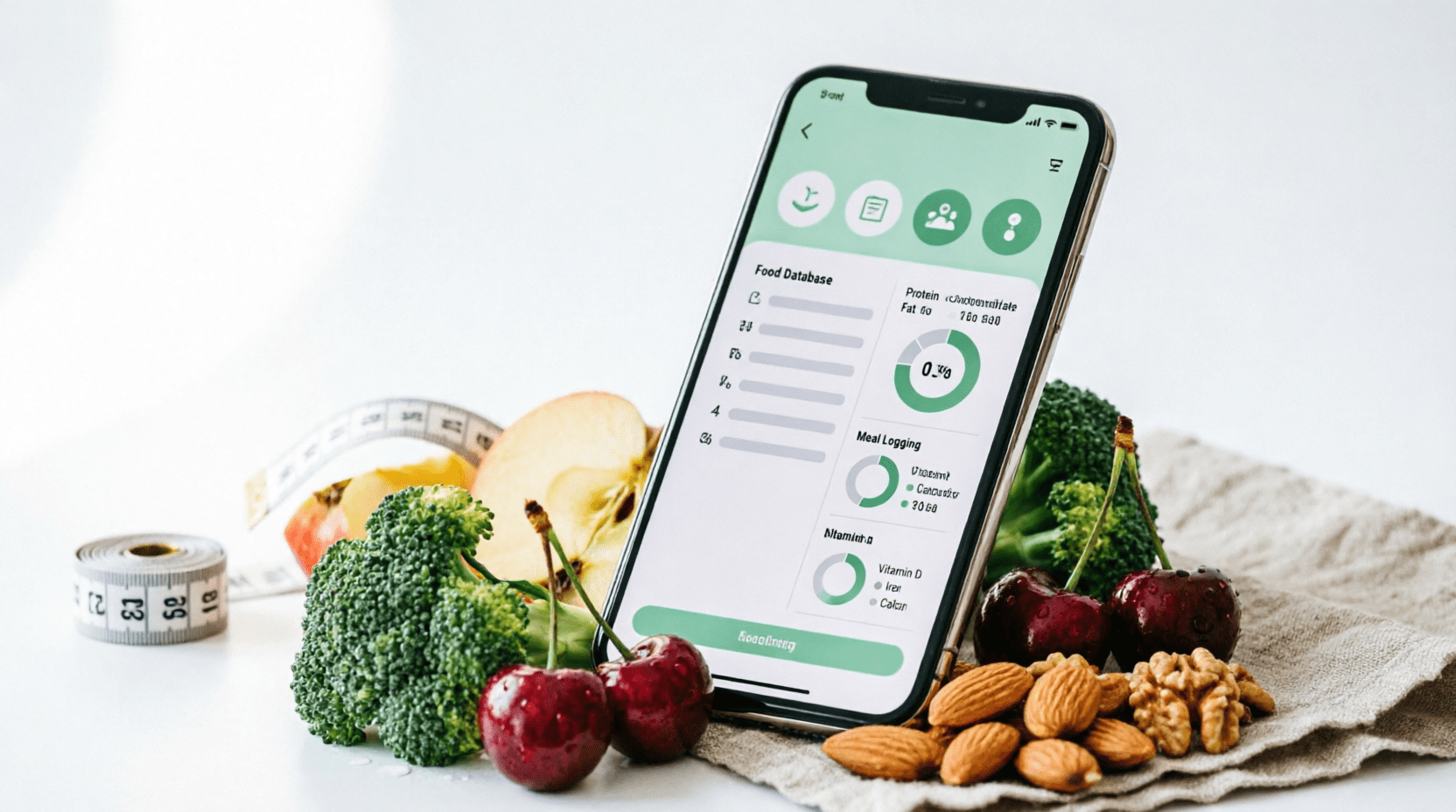
Nutrition Calculator
The Nutrition Calculator helps you determine your daily nutritional needs based on your personal information, activity level, and fitness goals. By calculating your macronutrient requirements (proteins, carbohydrates, and fats) and micronutrient needs, you can create a personalized nutrition plan to support your health, weight management, and athletic performance. This tool is useful for meal planning, dietary optimization, and understanding your nutritional requirements. Always consult with a registered dietitian for personalized nutrition advice.
Nutrition Calculator
Calculate your daily caloric and nutritional requirements based on your personal information.
| Gender | Age (years) | Height (cm) | Weight (kg) | Activity Level |
Calculate macronutrient distribution based on your fitness goals.
| Daily Calories (kcal) | Fitness Goal | Body Weight (kg) |
Understanding Nutrition
Nutrition is the science of food and nutrients and how they affect your body’s health, energy, and function. A balanced diet provides the right mix of macronutrients (proteins, carbohydrates, and fats) and micronutrients (vitamins and minerals) to support your body’s needs. Your nutritional requirements depend on several factors: your age, gender, body weight, activity level, metabolism, and fitness goals. Understanding your nutritional needs is fundamental to maintaining optimal health, supporting athletic performance, managing weight, and preventing chronic diseases. For comprehensive health planning, explore our Calorie Calculator, BMI Calculator, and Fitness Tracker to optimize your overall wellness strategy.
Macronutrients: The Foundation of Nutrition
Macronutrients are the three primary nutrients your body needs in large quantities to function properly. Each macronutrient serves distinct roles and provides energy to support your daily activities and fitness goals:
| Macronutrient | Calories per Gram | Daily Requirement | Primary Functions |
|---|---|---|---|
| Protein | 4 kcal/gram | 0.8-2.2 g/kg | Muscle building, repair, enzyme production, immune function, hormone synthesis |
| Carbohydrates | 4 kcal/gram | 45-65% of calories | Energy for brain and muscles, fiber for digestion, blood sugar regulation |
| Fats | 9 kcal/gram | 20-35% of calories | Hormone production, cell structure, absorption of fat-soluble vitamins, energy storage |
Micronutrients: Essential Vitamins and Minerals
Micronutrients are vitamins and minerals required in smaller quantities but are essential for health. They support immune function, energy production, bone health, vision, and countless other bodily processes:
| Micronutrient Category | Examples | Key Functions |
|---|---|---|
| Fat-Soluble Vitamins | A, D, E, K | Vision, bone health, immunity, antioxidant protection |
| Water-Soluble Vitamins | B-complex, C | Energy metabolism, nerve function, collagen production |
| Major Minerals | Calcium, magnesium, potassium, sodium | Bone health, muscle function, hydration, nerve signaling |
| Trace Minerals | Iron, zinc, selenium, copper | Oxygen transport, immunity, thyroid function, antioxidant protection |
Protein: The Essential Macronutrient
Protein is crucial for building and repairing muscle tissue, producing enzymes and hormones, supporting immune function, and maintaining body structure. Protein requirements vary based on activity level, age, and fitness goals. Active individuals and athletes require higher protein intake (1.6-2.2 g/kg) compared to sedentary adults (0.8 g/kg).
- Muscle growth and repair after exercise
- Increased satiety and reduced hunger
- Enhanced metabolism and thermogenic effect
- Support for immune system function
- Improved recovery and reduced soreness
Carbohydrates: Energy for Performance
Carbohydrates are the body’s preferred energy source, providing glucose for the brain and muscles. They’re essential for athletic performance, cognitive function, and sustained energy throughout the day. Carbohydrate needs depend on activity level and training intensity. Athletes may need 5-10+ grams per kilogram of body weight daily during heavy training periods.
Fats: Essential for Health
Healthy fats are vital for hormone production, cell structure, nutrient absorption, and brain function. Despite common misconceptions, dietary fat does not make you fat when consumed in appropriate quantities. Essential fatty acids (omega-3 and omega-6) must come from food sources. Aim for 20-35% of total calories from fats, emphasizing unsaturated fats from fish, nuts, seeds, and oils.
Nutritional Requirements by Age and Gender
| Age/Gender Group | Recommended Protein (g/kg) | Carbohydrates | Fats |
|---|---|---|---|
| Children (4-8 years) | 0.95 g/kg | 130 g/day | 25-35% calories |
| Children (9-13 years) | 0.95 g/kg | 130 g/day | 25-35% calories |
| Teens (14-18 years) | 0.85 g/kg | 130 g/day | 25-35% calories |
| Adult Men (19-50 years) | 0.8 g/kg | 130 g/day | 20-35% calories |
| Adult Women (19-50 years) | 0.8 g/kg | 130 g/day | 20-35% calories |
| Older Adults (51+ years) | 1.0-1.2 g/kg | 130 g/day | 20-35% calories |
| Athletes (all ages) | 1.2-2.2 g/kg | 5-10+ g/kg | 20-35% calories |
Nutrition for Specific Goals
Weight Loss
For weight loss, create a caloric deficit of 500-1,000 calories per day (leading to 0.5-1 kg loss per week). Increase protein intake to 1.8-2.2 g/kg to preserve muscle during caloric restriction. Emphasize whole foods: vegetables, lean proteins, whole grains, and healthy fats. Reduce processed foods, added sugars, and excess sodium.
Muscle Gain
To build muscle, consume a slight caloric surplus (300-500 above TDEE) combined with strength training. Maintain protein intake of 1.6-2.2 g/kg daily. Distribute protein evenly across 4-5 meals (20-40g per meal). Support training with adequate carbohydrates and healthy fats for hormone production.
Athletic Performance
Athletes require individualized nutrition plans based on sport, training phase, and body composition goals. General guidelines: protein 1.2-2.0 g/kg, carbohydrates 5-10+ g/kg (depending on training intensity), and 20-35% calories from fat. Proper hydration is critical; drink water consistently throughout the day.
Food Sources of Key Nutrients
| Nutrient | Best Food Sources | Amount per Serving |
|---|---|---|
| Protein | Chicken, fish, eggs, Greek yogurt, legumes, tofu | 20-40g per serving |
| Whole Grains | Oats, brown rice, quinoa, whole wheat bread | 15-45g carbs per serving |
| Healthy Fats | Salmon, avocado, nuts, olive oil, chia seeds | 5-15g fat per serving |
| Vegetables | Broccoli, spinach, bell peppers, sweet potatoes | Fiber + vitamins + minerals |
| Fruits | Bananas, berries, apples, oranges | Natural sugars + fiber |
Frequently Asked Questions
How do I calculate my daily caloric needs?
Calculate your BMR (Basal Metabolic Rate) using the Harris-Benedict formula, then multiply by your activity factor (1.2 to 1.9). This gives your TDEE (Total Daily Energy Expenditure). For example, a 30-year-old male, 175cm, 75kg with light activity would have a TDEE of approximately 2,100-2,200 calories per day.
What’s the best macronutrient ratio for my goals?
The ideal ratio depends on your goals: Weight loss (40% carbs, 30% protein, 30% fat), Maintenance (50% carbs, 25% protein, 25% fat), Muscle gain (45% carbs, 30% protein, 25% fat). These are guidelines; individual needs vary based on preferences and training style.
Can I lose weight without counting calories?
Yes, focusing on whole foods, adequate protein, and intuitive eating can support weight loss without strict calorie counting. However, for precise tracking of progress, calorie awareness is helpful. Many find a flexible approach works best for long-term adherence.
How much protein do I really need?
The RDA is 0.8 g/kg for sedentary adults. For fitness goals: 1.2-1.4 g/kg for endurance athletes, 1.6-2.2 g/kg for strength/muscle building. Spread protein evenly across meals for optimal muscle protein synthesis.
Is supplementation necessary?
Most nutritional needs can be met through whole foods. Common supplements include protein powder (convenience), vitamin D (if deficient), omega-3 fish oil (if fish intake is low), and multivitamins (if dietary gaps exist). Consult a dietitian before supplementing.
How often should I eat?
Meal frequency is less important than total daily intake. Eating 3 larger meals or 5-6 smaller meals both work; choose what best supports your schedule, hunger, and adherence. Consistency matters more than frequency.
Disclaimer: This nutrition calculator provides estimates based on scientifically-supported guidelines. Individual nutritional needs vary significantly based on genetics, metabolism, health conditions, medications, and personal preferences. These estimates should not replace professional medical advice. Consult a registered dietitian or healthcare provider for personalized nutrition guidance, especially if you have health conditions, allergies, or specific dietary requirements.
The Nutrition Calculator helps you determine your daily nutritional needs based on your personal information, activity level, and fitness goals. By calculating your macronutrient requirements (proteins, carbohydrates, and fats) and micronutrient needs, you can create a personalized nutrition plan to support your health, weight management, and athletic performance. This tool is useful for meal planning, dietary optimization, and understanding your nutritional requirements. Always consult with a registered dietitian for personalized nutrition advice.
Nutrition Calculator
Calculate your daily caloric and nutritional requirements based on your personal information.
| Gender | Age (years) | Height (cm) | Weight (kg) | Activity Level |
Calculate macronutrient distribution based on your fitness goals.
| Daily Calories (kcal) | Fitness Goal | Body Weight (kg) |
Understanding Nutrition
Nutrition is the science of food and nutrients and how they affect your body's health, energy, and function. A balanced diet provides the right mix of macronutrients (proteins, carbohydrates, and fats) and micronutrients (vitamins and minerals) to support your body's needs. Your nutritional requirements depend on several factors: your age, gender, body weight, activity level, metabolism, and fitness goals. Understanding your nutritional needs is fundamental to maintaining optimal health, supporting athletic performance, managing weight, and preventing chronic diseases. For comprehensive health planning, explore our Calorie Calculator, BMI Calculator, and Fitness Tracker to optimize your overall wellness strategy.
Macronutrients: The Foundation of Nutrition
Macronutrients are the three primary nutrients your body needs in large quantities to function properly. Each macronutrient serves distinct roles and provides energy to support your daily activities and fitness goals:
| Macronutrient | Calories per Gram | Daily Requirement | Primary Functions |
|---|---|---|---|
| Protein | 4 kcal/gram | 0.8-2.2 g/kg | Muscle building, repair, enzyme production, immune function, hormone synthesis |
| Carbohydrates | 4 kcal/gram | 45-65% of calories | Energy for brain and muscles, fiber for digestion, blood sugar regulation |
| Fats | 9 kcal/gram | 20-35% of calories | Hormone production, cell structure, absorption of fat-soluble vitamins, energy storage |
Micronutrients: Essential Vitamins and Minerals
Micronutrients are vitamins and minerals required in smaller quantities but are essential for health. They support immune function, energy production, bone health, vision, and countless other bodily processes:
| Micronutrient Category | Examples | Key Functions |
|---|---|---|
| Fat-Soluble Vitamins | A, D, E, K | Vision, bone health, immunity, antioxidant protection |
| Water-Soluble Vitamins | B-complex, C | Energy metabolism, nerve function, collagen production |
| Major Minerals | Calcium, magnesium, potassium, sodium | Bone health, muscle function, hydration, nerve signaling |
| Trace Minerals | Iron, zinc, selenium, copper | Oxygen transport, immunity, thyroid function, antioxidant protection |
Protein: The Essential Macronutrient
Protein is crucial for building and repairing muscle tissue, producing enzymes and hormones, supporting immune function, and maintaining body structure. Protein requirements vary based on activity level, age, and fitness goals. Active individuals and athletes require higher protein intake (1.6-2.2 g/kg) compared to sedentary adults (0.8 g/kg).
- Muscle growth and repair after exercise
- Increased satiety and reduced hunger
- Enhanced metabolism and thermogenic effect
- Support for immune system function
- Improved recovery and reduced soreness
Carbohydrates: Energy for Performance
Carbohydrates are the body's preferred energy source, providing glucose for the brain and muscles. They're essential for athletic performance, cognitive function, and sustained energy throughout the day. Carbohydrate needs depend on activity level and training intensity. Athletes may need 5-10+ grams per kilogram of body weight daily during heavy training periods.
Fats: Essential for Health
Healthy fats are vital for hormone production, cell structure, nutrient absorption, and brain function. Despite common misconceptions, dietary fat does not make you fat when consumed in appropriate quantities. Essential fatty acids (omega-3 and omega-6) must come from food sources. Aim for 20-35% of total calories from fats, emphasizing unsaturated fats from fish, nuts, seeds, and oils.
Nutritional Requirements by Age and Gender
| Age/Gender Group | Recommended Protein (g/kg) | Carbohydrates | Fats |
|---|---|---|---|
| Children (4-8 years) | 0.95 g/kg | 130 g/day | 25-35% calories |
| Children (9-13 years) | 0.95 g/kg | 130 g/day | 25-35% calories |
| Teens (14-18 years) | 0.85 g/kg | 130 g/day | 25-35% calories |
| Adult Men (19-50 years) | 0.8 g/kg | 130 g/day | 20-35% calories |
| Adult Women (19-50 years) | 0.8 g/kg | 130 g/day | 20-35% calories |
| Older Adults (51+ years) | 1.0-1.2 g/kg | 130 g/day | 20-35% calories |
| Athletes (all ages) | 1.2-2.2 g/kg | 5-10+ g/kg | 20-35% calories |
Nutrition for Specific Goals
Weight Loss
For weight loss, create a caloric deficit of 500-1,000 calories per day (leading to 0.5-1 kg loss per week). Increase protein intake to 1.8-2.2 g/kg to preserve muscle during caloric restriction. Emphasize whole foods: vegetables, lean proteins, whole grains, and healthy fats. Reduce processed foods, added sugars, and excess sodium.
Muscle Gain
To build muscle, consume a slight caloric surplus (300-500 above TDEE) combined with strength training. Maintain protein intake of 1.6-2.2 g/kg daily. Distribute protein evenly across 4-5 meals (20-40g per meal). Support training with adequate carbohydrates and healthy fats for hormone production.
Athletic Performance
Athletes require individualized nutrition plans based on sport, training phase, and body composition goals. General guidelines: protein 1.2-2.0 g/kg, carbohydrates 5-10+ g/kg (depending on training intensity), and 20-35% calories from fat. Proper hydration is critical; drink water consistently throughout the day.
Food Sources of Key Nutrients
| Nutrient | Best Food Sources | Amount per Serving |
|---|---|---|
| Protein | Chicken, fish, eggs, Greek yogurt, legumes, tofu | 20-40g per serving |
| Whole Grains | Oats, brown rice, quinoa, whole wheat bread | 15-45g carbs per serving |
| Healthy Fats | Salmon, avocado, nuts, olive oil, chia seeds | 5-15g fat per serving |
| Vegetables | Broccoli, spinach, bell peppers, sweet potatoes | Fiber + vitamins + minerals |
| Fruits | Bananas, berries, apples, oranges | Natural sugars + fiber |
Frequently Asked Questions
How do I calculate my daily caloric needs?
Calculate your BMR (Basal Metabolic Rate) using the Harris-Benedict formula, then multiply by your activity factor (1.2 to 1.9). This gives your TDEE (Total Daily Energy Expenditure). For example, a 30-year-old male, 175cm, 75kg with light activity would have a TDEE of approximately 2,100-2,200 calories per day.
What's the best macronutrient ratio for my goals?
The ideal ratio depends on your goals: Weight loss (40% carbs, 30% protein, 30% fat), Maintenance (50% carbs, 25% protein, 25% fat), Muscle gain (45% carbs, 30% protein, 25% fat). These are guidelines; individual needs vary based on preferences and training style.
Can I lose weight without counting calories?
Yes, focusing on whole foods, adequate protein, and intuitive eating can support weight loss without strict calorie counting. However, for precise tracking of progress, calorie awareness is helpful. Many find a flexible approach works best for long-term adherence.
How much protein do I really need?
The RDA is 0.8 g/kg for sedentary adults. For fitness goals: 1.2-1.4 g/kg for endurance athletes, 1.6-2.2 g/kg for strength/muscle building. Spread protein evenly across meals for optimal muscle protein synthesis.
Is supplementation necessary?
Most nutritional needs can be met through whole foods. Common supplements include protein powder (convenience), vitamin D (if deficient), omega-3 fish oil (if fish intake is low), and multivitamins (if dietary gaps exist). Consult a dietitian before supplementing.
How often should I eat?
Meal frequency is less important than total daily intake. Eating 3 larger meals or 5-6 smaller meals both work; choose what best supports your schedule, hunger, and adherence. Consistency matters more than frequency.
Disclaimer: This nutrition calculator provides estimates based on scientifically-supported guidelines. Individual nutritional needs vary significantly based on genetics, metabolism, health conditions, medications, and personal preferences. These estimates should not replace professional medical advice. Consult a registered dietitian or healthcare provider for personalized nutrition guidance, especially if you have health conditions, allergies, or specific dietary requirements.